
Run away!) As far as providing it away, that's not an excellent response either. If owning a timeshare has been so miserable for you, why put that hardship on a liked one? This one is our favorite. This idea states that if you simply close your eyes, disregard it and wish actually hard, your timeshare will go away. As much as you want that was true, it isn't. You owe these people cash. And they're not going to let you forget it. If you do not pay, they'll turn your overdue charges over to debt collection agency. Cue the manipulative phone calls at all hours of the day and night! If you still do not pay, your timeshare might go into foreclosure, but that's not guaranteed.
We're talking months of court fights, legal costs and heartachesall since you listened to your dumb-butt neighbor who told you to give up making your payments. We know you're sick and fed up with paying these vultures, but they are unworthy the frustration of being pestered and pestered. Yes! And you'll enjoy you did. While you're likely to pay a couple of thousand dollars to leave your timeshare agreements, you'll recover your costs and save cash in the long run. Let's break it down: In 2019, the average timeshare maintenance fees were $1,000 each year.4 Costs increase by 5% each year, typically.
And with all that moneyand your newfound sense of freedomyou can take the entire household to Cabo and pay money!.
You have actually most likely heard about timeshare properties. In reality, you've most likely heard something unfavorable about them. But is owning a timeshare really something to prevent? That's difficult to state till you know what one truly is. This short article will review the standard principle of owning a timeshare, how your ownership may be structured, and the benefits and disadvantages of owning one. A timeshare is a way for a number of people to share ownership of a home, generally a holiday residential or commercial property such as a condo system within a resort location. Each buyer generally purchases a particular amount of time in a specific unit.
If a buyer desires a longer time period, buying numerous consecutive timeshares may be a choice (if readily available). Standard timeshare homes typically offer a set week (or weeks) in a home. A buyer chooses the dates she or he wishes to spend there, and buys the right to use the home throughout those dates each year. Some timeshares offer "versatile" or "drifting" weeks. This plan is less rigid, and permits a buyer to choose a week or weeks without a set date, however within a specific period (or season). The owner is then entitled to reserve his/her week each year at any time during that time period (topic to availability).
Considering that the high season may extend from December through March, this offers the owner a little holiday versatility. What sort of home interest you'll own if you purchase a timeshare depends on the kind of timeshare purchased. Timeshares are typically structured either as shared deeded ownership or shared rented ownership. With shared deeded ownership, each owner is given a percentage of the real residential or commercial property itself, correlating to the amount of time bought. The owner gets a deed for his or her percentage of the unit, specifying when the owner can use the property. This suggests that with deeded ownership, lots of deeds are issued for each home.
If the timeshare is structured as a shared rented ownership, the developer maintains deeded title to the residential or commercial property, and each owner holds a rented interest in the home. Each lease contract entitles the owner to use a specific residential or commercial property each year for a set week, or a "drifting" week during a set of dates. If you buy a rented ownership timeshare, your interest in the property normally ends after a certain term of years, or at the current, upon your death. A leased ownership also typically limits residential or commercial property transfers more than a deeded ownership interest. high point world resort timeshare how much. This means as an owner, you might be limited from selling or otherwise moving your timeshare to another.
The 4-Minute Rule for Under What Type Of Timeshare Is No Title Is Conveyed?
With either a leased or deeded type of timeshare structure, the owner buys the right to utilize one specific home. This can be limiting to somebody who chooses to getaway in a variety of locations. To use greater flexibility, many resort advancements participate in exchange programs. Exchange programs allow timeshare owners to trade time in their own home for time in another taking part residential or commercial property. For example, the owner of a week in January at a condominium system in a beach resort may trade the residential or commercial property for a week in an apartment at a ski resort this year, and for a week in a New york city City accommodation the next.
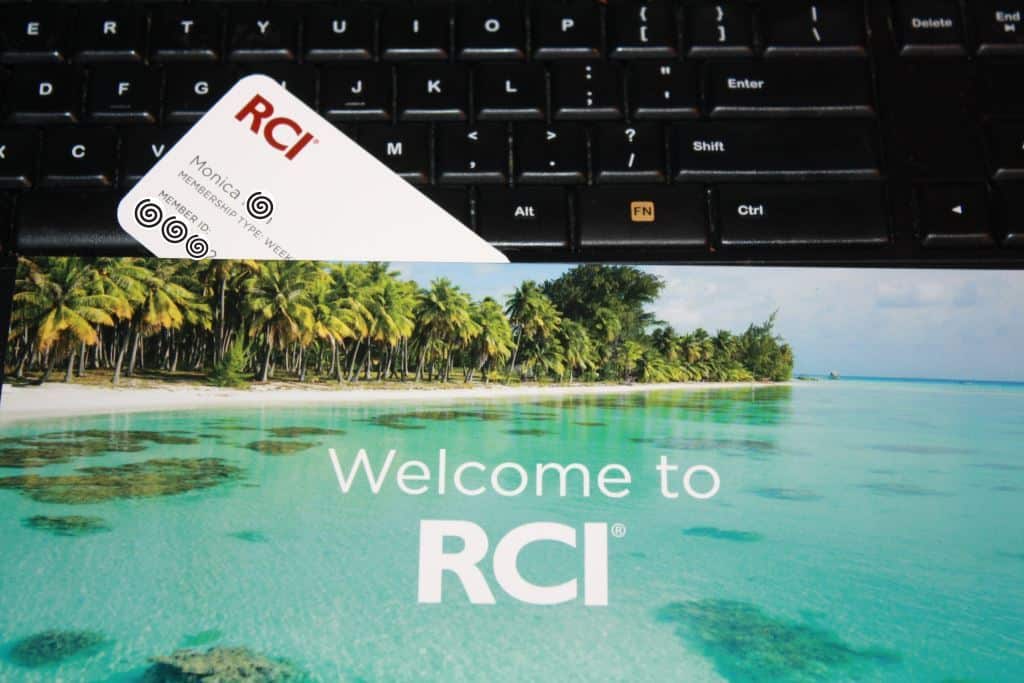
Generally, owners are restricted to selecting another home categorized similar to their own. Plus, additional charges prevail, and popular residential or commercial properties might be difficult to get. Although owning a timeshare methods you won't need to toss your cash at rental lodgings each year, timeshares are by no ways expense-free. Initially, you will need a chunk of money for the purchase cost. If you do not have the full quantity upfront, anticipate to pay high rates for funding the balance. Given that timeshares seldom maintain their value, they will not qualify for financing at the majority of banks. If you do find a bank that consents to fund the timeshare purchase, the interest rate makes sure to be high.

A timeshare owner should also pay annual upkeep charges (which normally cover expenditures for the maintenance of the residential or commercial property). And these charges are due whether the owner uses the residential or commercial property – where to post timeshare rentals. Even worse, these charges typically intensify continually; often well beyond a budget-friendly level. You may recoup some of the expenses by renting your timeshare out during a year you do not utilize it (if the guidelines governing your specific residential or commercial property permit it). Nevertheless, you might require to pay a part of the rent to the rental agent, or pay extra costs (such as cleaning or reservation fees). Buying a timeshare as a financial investment is seldom an excellent concept.
Rather of appreciating, the majority of timeshare diminish in value once acquired. Many can be tough to resell at all. Instead, you must think about the value in a timeshare as a financial investment in future getaways. There are a variety of reasons timeshares can work well as a holiday option. If you getaway at the very same resort each year for the very same one- to two-week duration, a timeshare might be an excellent method to own a property you love, without incurring the high costs of owning your own house. (For information on the costs of resort own a home see Budgeting to Purchase a Resort Home? Expenditures Not to Neglect.) Timeshares can https://postheaven.net/eregowfp4h/when-you-own-with-a-holiday-club-like-marriott-or-vacation-inn-youand-39-re likewise bring the convenience of understanding just what you'll get each year, without the hassle of booking and renting accommodations, and without the worry that your favorite location to stay will not be available.